 Business License
304vs316L Stainless Steel Wedge Wire Screens: The Ultimate Selection Guide for Industrial Filtration
If you’re involved in industrial filtration—whether it’s water treatment, food processing, or chemical manufacturing—you’ve likely faced this dilemma: Should I choose Stainless Steel 304 or 316L for my wedge wire screens?
It’s a critical decision. Choosing the wrong material can lead to premature corrosion, system failure, and costly downtime.
In this guide, we’ll break down the key differences between SS304 and SS316L, helping you make an informed decision based on your specific operating environment. We’ll focus on what really matters: corrosion resistance, mechanical strength, and long-term cost efficiency.
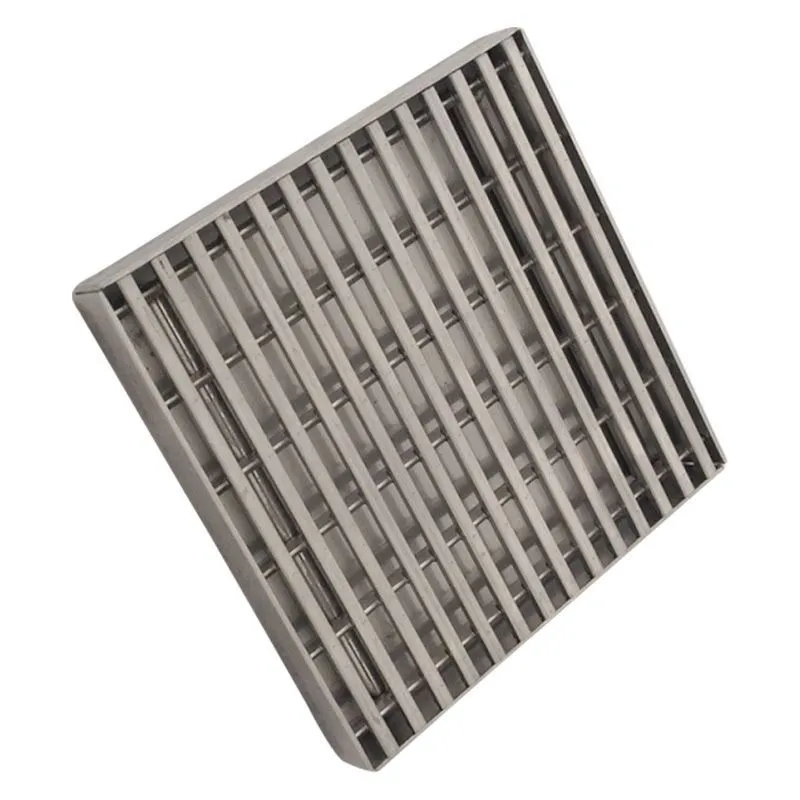
Why Your Material Choice Matters More Than You Think
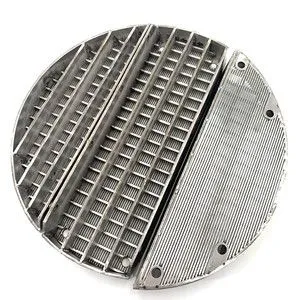
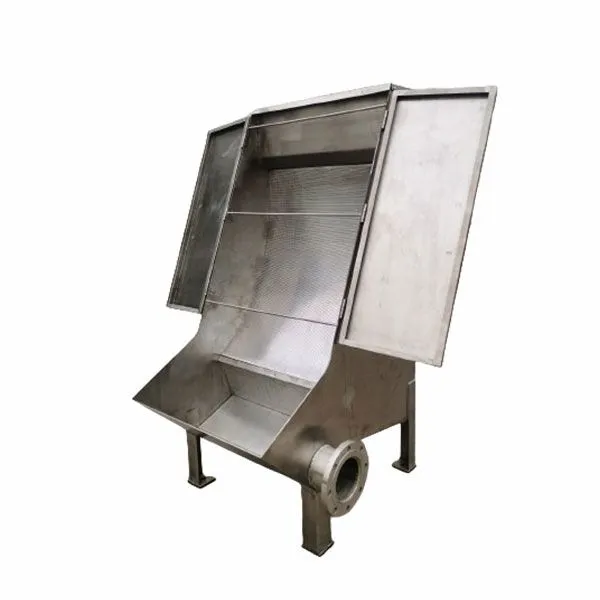
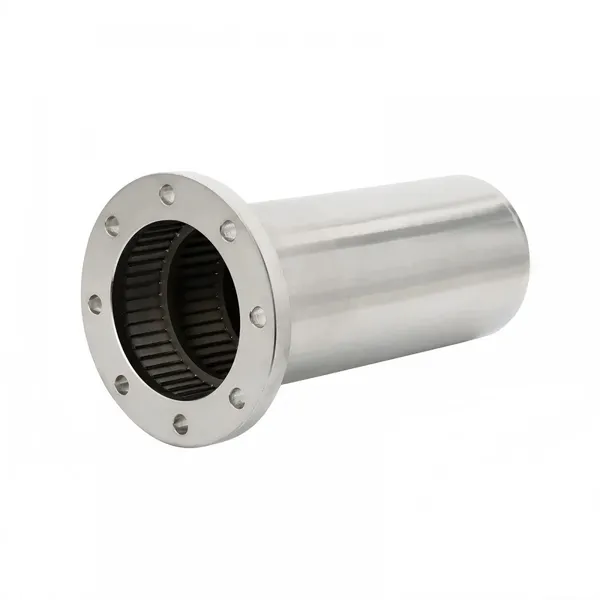
Wedge wire screens (also known as Johnson screens) are the workhorses of many industries. They are constantly exposed to harsh conditions, including:
Chlorides and saltwater
Aggressive chemical solutions
High temperatures and pressure
Constant mechanical stress
Because the screen surface is in direct contact with the process media 24/7, the grade of stainless steel you choose directly impacts:
Longevity: How long will the screen last before showing signs of wear?
Reliability: Will it maintain structural integrity under stress?
Maintenance: How often will you need to inspect or replace it?
304 vs 316L: Breaking Down the Chemical Difference
At a glance, both 304 and 316L are austenitic stainless steels, but their chemical compositions tell a different story. The presence of Molybdenum is the game-changer.
| Property | 304 Stainless Steel | 316L Stainless Steel |
|---|---|---|
| Chromium | ~18% | 16–18% |
| Nickel | ~8% | 10–14% |
| Molybdenum | None | 2–3% (Key Difference) |
| Carbon Content | ≤0.08% | ≤0.03% (The "L" stands for Low Carbon) |
| Corrosion Resistance | Good (General purpose) | Excellent (Chloride-resistant) |
| Relative Cost | Baseline | 15–40% Higher |
The addition of Molybdenum in 316L provides superior resistance to chlorides (like salt) and industrial chemicals, which is the primary reason for its higher price point.
Corrosion Resistance: The Deciding Factor
This is usually where the decision is made.
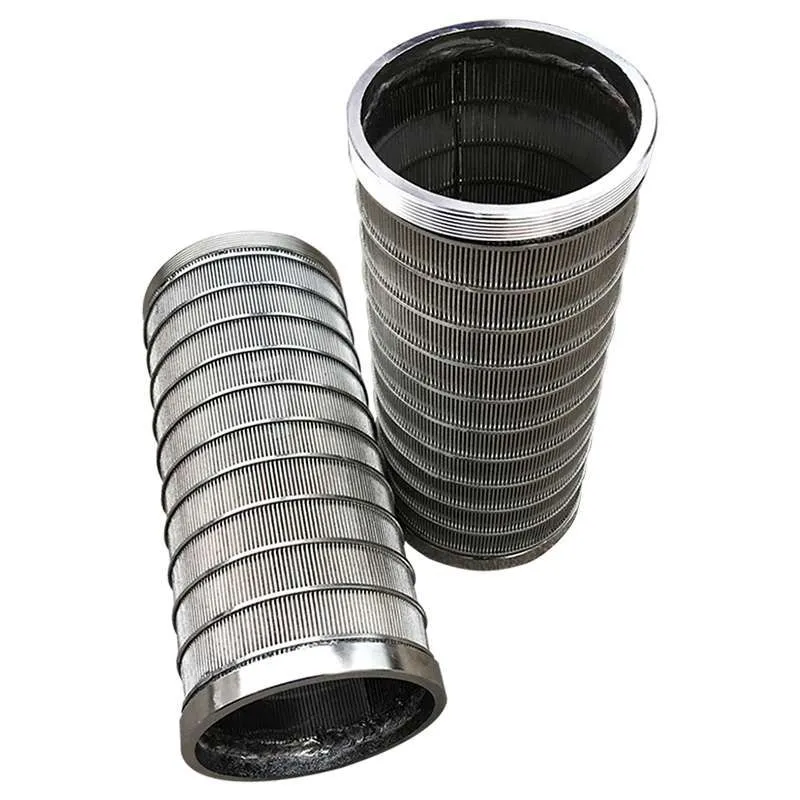
🟢 Stainless Steel 304: The Cost-Effective Workhorse
304 is a fantastic material for general industrial environments. It offers excellent value and reliable performance in applications where chlorides are not a concern.
Ideal for: Drinking water filtration, food processing (non-saline), municipal wastewater treatment, and indoor industrial filtration systems.
The Risk: In marine environments or areas with high salt exposure, 304 is susceptible to pitting and crevice corrosion. Once it starts, it can spread quickly.
🔵 Stainless Steel 316L: The Marine-Grade Champion
Thanks to that 2-3% Molybdenum, 316L offers a significant leap in protection. It is specifically designed to withstand the elements that kill 304.
Ideal for: Seawater intake systems, desalination plants, coastal industrial facilities, chemical processing, and swimming pool filtration (chlorinated water).
The Benefit: It stands up to salt spray and chlorides, ensuring a much longer service life in tough environments.
Weldability and Fabrication: The "L" Advantage
Wedge wire screens are made by precision welding profile wires to support rods. This creates hundreds, sometimes thousands, of weld points.
304 Stainless Steel: It welds well, but high heat can lead to "sensitization," which slightly reduces corrosion resistance right at the weld zone.
316L Stainless Steel: The low carbon content (the "L") is a huge advantage here. It minimizes the risk of intergranular corrosion (weld decay), ensuring that the welded joints remain just as corrosion-resistant as the rest of the screen. This makes 316L the superior choice for heavily welded structures in corrosive environments.
Mechanical Strength & High-Temperature Performance
Both grades offer strong mechanical properties. However, in demanding conditions—such as continuous high-temperature operation or exposure to aggressive chemicals—316L maintains its integrity better over time.
For heavy-duty applications like mining slurry screens or chemical reactor support grids, the enhanced durability of 316L often justifies the investment.
Cost vs. Lifetime Value: Don't Just Look at the Price Tag
Yes, 316L typically costs 15-40% more upfront. But smart engineers look at the Lifecycle Cost.
In a freshwater plant, 304 is perfect. It saves you money upfront and performs flawlessly for years.
In a coastal desalination plant, 304 would fail. You’d spend far more on replacements, maintenance, and lost production than you saved on the initial purchase.
Investing in 316L for the right application almost always results in a lower total cost of ownership.
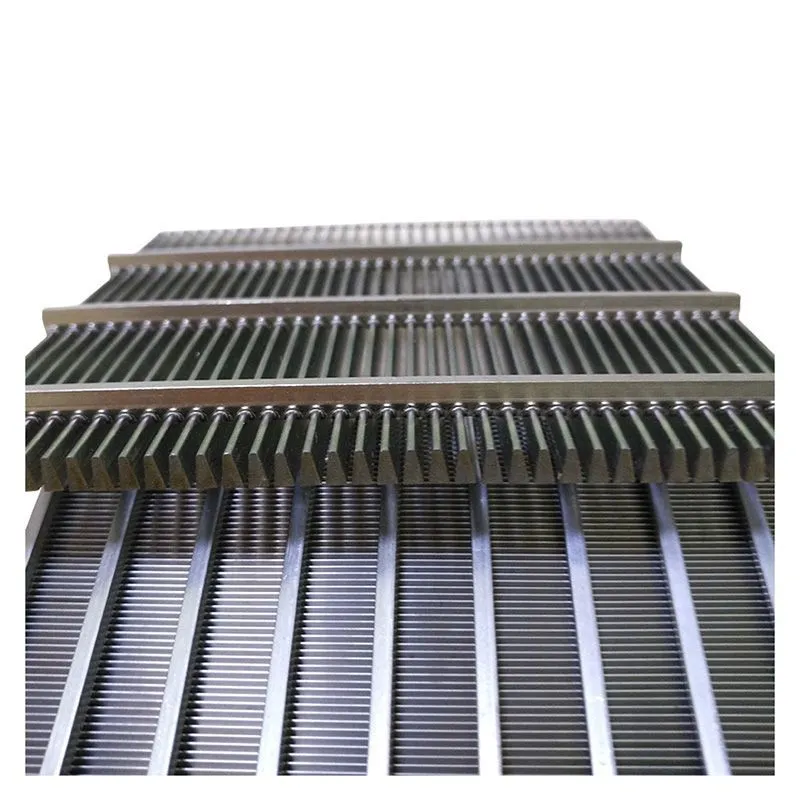
Quick Selection Guide: Which One Do You Need?
Choose 304 Stainless Steel If:
Your application involves freshwater, food, or general industrial processes.
The environment is indoors and free from salt.
You are working within a tight budget for a non-critical, non-corrosive application.
Choose 316L Stainless Steel If:
Your site is near the ocean or exposed to road salts.
You are filtering seawater, brine, or chemicals.
You need to handle chlorinated water.
Maximum reliability and minimal downtime are your top priorities.
A Simple Rule of Thumb:
When in doubt, or if chlorides are present, go with 316L. It’s the safer long-term bet.
Frequently Asked Questions
1. Is 316L always better?
Not always. It’s "better" only when you need its specific properties. For many applications, 304 is perfectly sufficient and more economical.
2. Can I use 304 in a water treatment plant?
Yes. 304 is the standard for many municipal freshwater treatment facilities.
3. Why is 316L so much more expensive?
The price difference is driven by the addition of Molybdenum, an alloying element that is more costly than chromium or nickel.
Final Verdict
Choosing between 304 and 316L stainless steel wedge wire screens doesn't have to be complicated.
Stainless Steel 304 is your go-to for reliable, cost-effective performance in standard industrial environments.
Stainless Steel 316L is your insurance policy against corrosion in marine, chemical, and high-chloride conditions.
By matching the material to your environment, you ensure optimal performance, longevity, and return on investment for your filtration system.
Technical Support:https://www.johnsonwedgewire.com/
contact us:
E-mail: admin@yuanlvfilter.com
WhatsApp: 8613653285589
Recently Posted
-
Stainless Steel Wedge Wire Screen Filter Nozzle – Reliable Filtration for Water Treatment Systems
April 1, 2026Stainless Steel Wedge Wire Screen Filter Nozzle – Reliable Filtration for Water Treatment SystemsAre you looking for a filtr Read More
 -
Sieve Bend or Hydro Sieve? How to Choose the Right Curved Screen
March 27, 2026Sieve Bend or Hydro Sieve? How to Choose the Right Curved ScreenA sieve bend screen is a curved wedge wire screening pa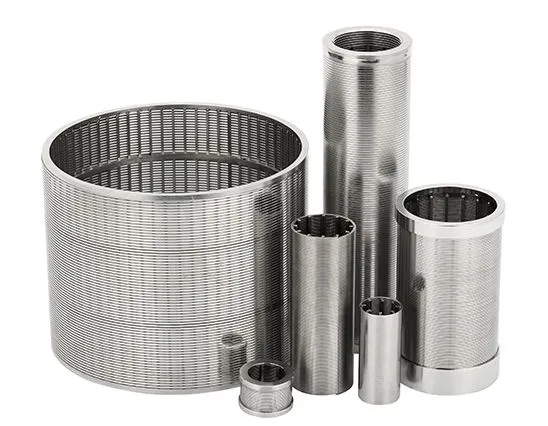 Read More
 -
How to Choose the Right Wedge Wire Screen for Your Industry
March 25, 2026Wedge wire screens are precision-engineered filtration components made from V-shaped stainless steel profile wires welded to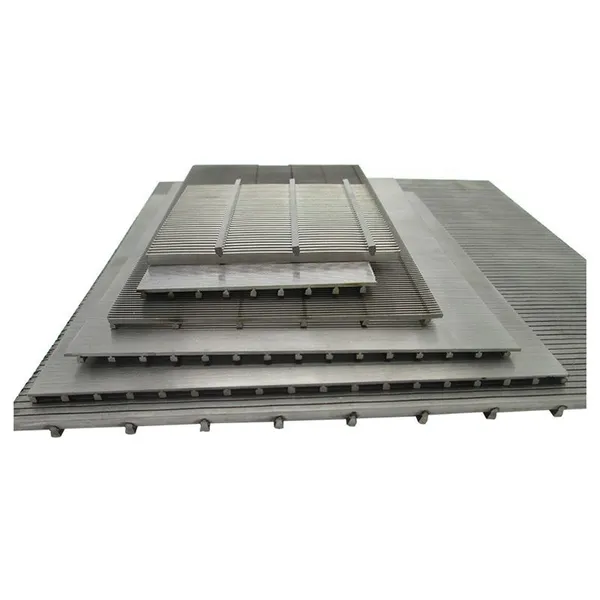 Read More
 -
Wedge Wire Candle Filter Elements: A Key Component in Industrial Solid-Liquid Separation
March 20, 2026Wedge Wire Candle Filter Elements: A Key Component in Industrial Solid-Liquid SeparationIn numerous industrial sectors such as che
Read More

Contact Us
Recommended Products
-
 Stainless Center Pipe, Inner Screen CustomNegotiableMOQ: 2 Sets
 -
Stainless Steel Wire Mesh Temporary Conical StrainerNegotiableMOQ: 2 Sets
-
Stainless Steel Wedge Wire Rotary Drum Screen FactoryNegotiableMOQ: 1 Set
-
Wedge Wire Screen Flat Panel Plates Stainless Steel CustomNegotiableMOQ: 1 Set
-
SS Filter Nozzle for WatertreatmentNegotiableMOQ: 10 Sets
-
Water Treatment Filter Nozzle for Ion Exchange CustomNegotiableMOQ: 10 Sets
-
Wedge Wire Center Pipe ScallopsNegotiableMOQ: 1 Set
-
V Wire Screen Pipe for Water TreatmentNegotiableMOQ: 1 Set
-
Wedge Wire Trommel Screen Stainless Steel CustomNegotiableMOQ: 1 Set
-
Header Lateral Distributor Screens Stainless Steel CustomNegotiableMOQ: 3 Sets
-
Johnson Wedge Wire Screen Catalyst Support Grid for Vessel InternalNegotiableMOQ: 1 Set
-
Polyurethane Screen Panels for Quarrying and MiningNegotiableMOQ: 1 Set
-
Hydro Sieve, Static Screen for Solid-Liquid Separation CustomNegotiableMOQ: 1 Set
-
Wedge Wire Resin Traps CustomNegotiableMOQ: 3 Sets
-
Stainless Steel Johnson Wedge Wire PanelNegotiableMOQ: 1 Set