 Business License
Sieve Bend or Hydro Sieve? How to Choose the Right Curved Screen
Sieve Bend or Hydro Sieve? How to Choose the Right Curved Screen
A sieve bend screen is a curved wedge wire screening panel used for gravity-driven solid–liquid separation. A hydro sieve screen, by contrast, refers to a complete screening unit that incorporates a sieve bend panel inside a frame or housing.
In simple terms, the sieve bend is the screening component, and the hydro sieve is the integrated equipment built around it. Although the two terms are sometimes used interchangeably, understanding their differences helps engineers select the right solution for wastewater, mining, and industrial applications.
This guide explains how each type works, where they are used, and how to choose between them.
Key Definitions
| Term | Definition |
|---|---|
| Sieve Bend Screen | A curved wedge wire screen panel used for gravity-driven separation. |
| Hydro Sieve Screen | A complete screening unit that integrates a sieve bend panel within a frame or housing. |
A sieve bend screen is the curved wedge wire screening surface.
A hydro sieve screen is the complete equipment unit built around that screen.
Both use gravity flow and curved wedge wire slots for efficient solid–liquid separation. In many wastewater systems, the hydro sieve uses a sieve bend screen as its core filtration element.
What Is a Hydro Sieve Screen?
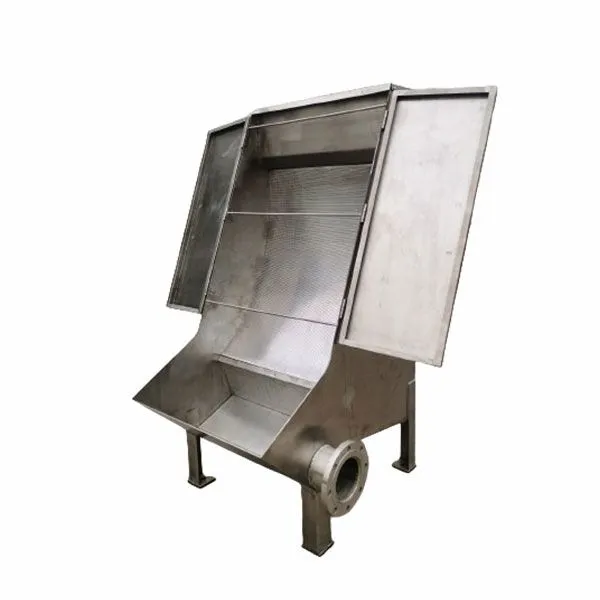
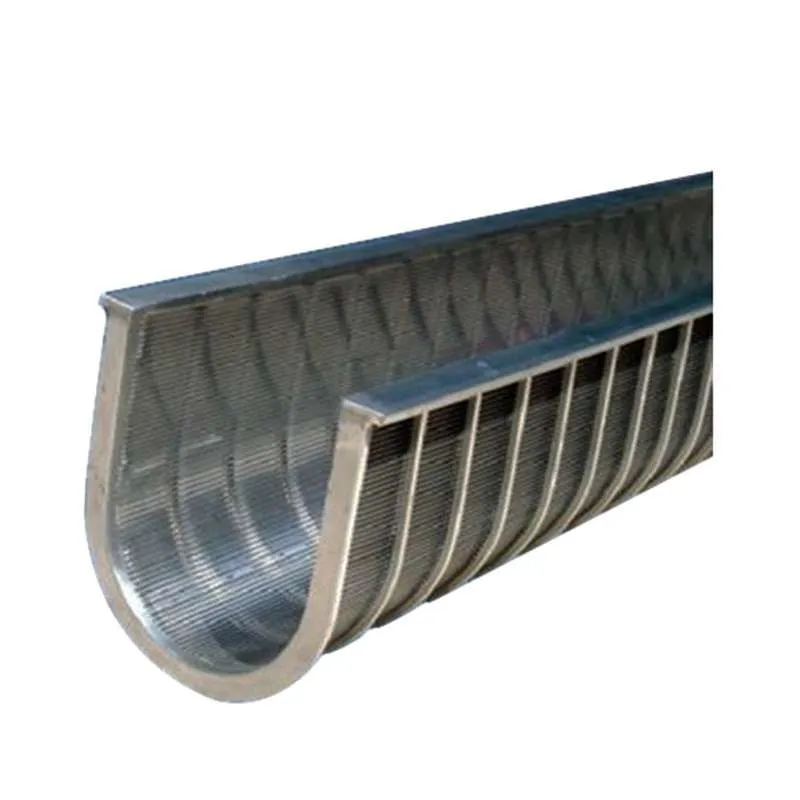
A hydro sieve screen is a static screening device used for continuous solid–liquid separation, particularly in wastewater treatment plants. It consists of a curved wedge wire panel mounted inside a frame that distributes incoming flow evenly across the screen surface.
Wastewater flows over the curved screen. Liquid passes through the slots, while solids remain on the surface and slide downward for discharge.
Typical Features
Curved stainless steel wedge wire screen
Gravity-fed operation
Typically operates without motors, relying on gravity flow
Continuous solids removal
Hydro sieve screens are commonly installed as pre-treatment equipment in municipal and industrial wastewater systems.
What Is a Sieve Bend Screen?
A sieve bend screen refers specifically to the curved wedge wire screen panel used for gravity separation. The panel is manufactured from wedge-shaped profile wires welded onto support rods to create precise slot openings.
Unlike hydro sieve screens, sieve bends are individual components installed within larger processing systems. They are widely used in:
Mining and coal processing
Food and beverage processing
Pulp and paper production
Industrial filtration systems
Wastewater treatment equipment
How These Screens Work
Both hydro sieve and sieve bend screens operate on the same gravity-driven separation principle.
Work Principle
Wastewater or slurry enters the screen inlet.
Flow spreads across the curved wedge wire surface.
Liquid passes through the slot openings.
Solids remain on the surface and slide downward due to gravity.
The wedge wire slots feature a V-shaped profile that widens inward, which helps reduce clogging and maintain consistent filtration performance.
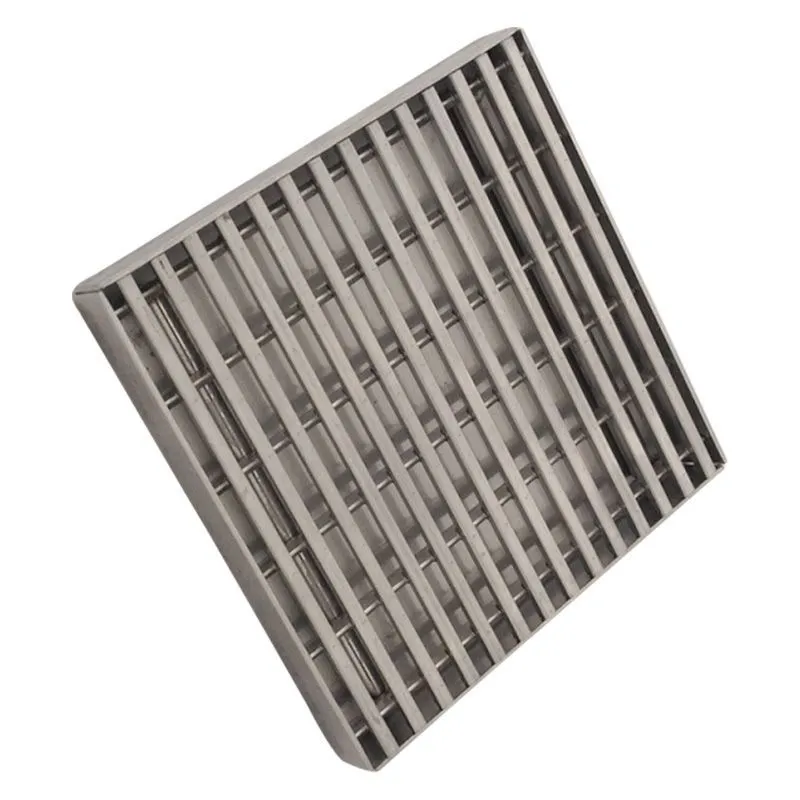
Hydro Sieve vs Sieve Bend: Comparison
| Feature | Hydro Sieve Screen | Sieve Bend Screen |
|---|---|---|
| Definition | Complete screening unit | Curved screen panel |
| Structure | Housing, distributor, screen frame | Screen panel only |
| Typical Configuration | Self-contained unit with inlet distribution | Installed as component in larger systems |
| Primary Use | Wastewater treatment | Mining, pulp & paper, industrial filtration |
| Operation | Gravity-fed | Gravity-fed |
In practice, hydro sieve screens often incorporate sieve bend screens as their main filtration surface.
Typical Technical Parameters
| Parameter | Typical Range |
|---|---|
| Slot Opening | 0.2 – 2.0 mm (depending on application) |
| Screen Width | 500 – 3000 mm |
| Screen Radius | 200 – 1000 mm |
| Installation Angle | 45° – 60° from horizontal |
| Material | Stainless steel 304 / 316L |
| Capacity | Up to several hundred m³/h per unit |
Final sizing depends on flow rate, solids concentration, and installation conditions.
Why Curved Wedge Wire Screens Are Used
The curved design improves separation efficiency in several ways:
Better flow distribution across the screen
Increased effective screening area
Reduced clogging or screen blinding
Improved movement of solids along the surface
These advantages make curved wedge wire screens effective for continuous gravity-fed filtration.
Typical Applications
Hydro Sieve Screens
Municipal wastewater treatment plants
Food processing wastewater
Industrial effluent treatment
Agricultural waste separation
Sieve Bend Screens
Mining and mineral processing
Coal preparation plants
Pulp and paper manufacturing
Industrial slurry filtration
Common Questions
1. Are hydro sieve screens and sieve bend screens the same?
No. A sieve bend screen refers to the curved wedge wire panel, while a hydro sieve screen is a complete unit that includes that panel.
2. Why are these screens curved?
The curved surface improves flow distribution and helps move solids along the screen, reducing clogging.
3. Do hydro sieve screens require power?
Most hydro sieve screens operate entirely under gravity and do not require motors or external power.
4. How do I select the right slot size?
Slot size should be selected based on the smallest particle that must be retained and the expected flow rate. For wastewater applications, 0.5–1.0 mm is common; for mining, 1.0–2.0 mm is often used.
Hydro sieve screens and sieve bend screens use the same curved wedge wire technology but serve different roles. The sieve bend is the screening component, while the hydro sieve is the integrated screening system designed for continuous operation.
Selecting the appropriate configuration, slot size, and material ensures reliable performance in demanding environments.
Technical Support:E-mail: admin@yuanlvfilter.com
WhatsApp:8613653285589
Recently Posted
-
Stainless Steel Wedge Wire Screen Filter Nozzle – Reliable Filtration for Water Treatment Systems
April 1, 2026Stainless Steel Wedge Wire Screen Filter Nozzle – Reliable Filtration for Water Treatment SystemsAre you looking for a filtr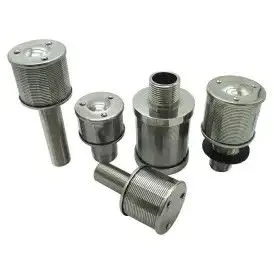 Read More
 -
How to Choose the Right Wedge Wire Screen for Your Industry
March 25, 2026Wedge wire screens are precision-engineered filtration components made from V-shaped stainless steel profile wires welded to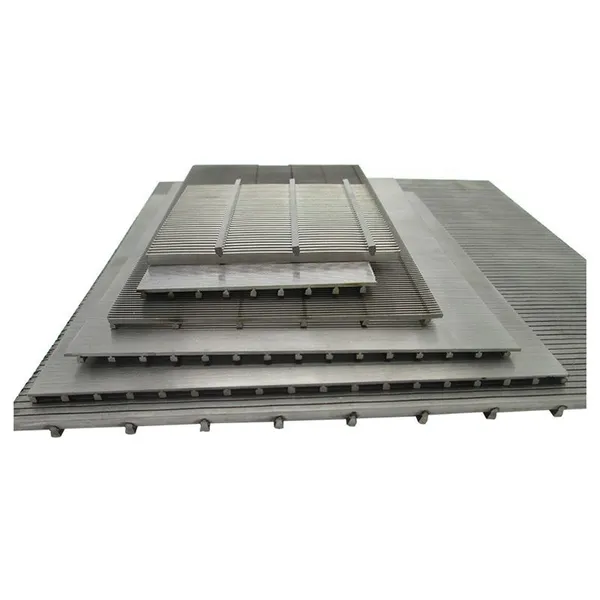 Read More
 -
Wedge Wire Candle Filter Elements: A Key Component in Industrial Solid-Liquid Separation
March 20, 2026Wedge Wire Candle Filter Elements: A Key Component in Industrial Solid-Liquid SeparationIn numerous industrial sectors such as che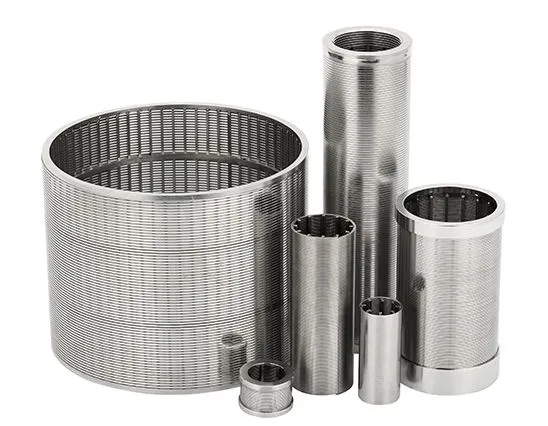 Read More
 -
Wedge Wire Screens: The Engineer's Top Choice for Filtration
March 17, 2026Wedge Wire Screens: The Engineer's Top Choice for FiltrationIn the world of industrial filtration and separation, there exists Read More

Contact Us
Recommended Products
-
 Stainless Center Pipe, Inner Screen CustomNegotiableMOQ: 2 Sets
 -
Stainless Steel Wire Mesh Temporary Conical StrainerNegotiableMOQ: 2 Sets
-
Stainless Steel Wedge Wire Rotary Drum Screen FactoryNegotiableMOQ: 1 Set
-
Wedge Wire Screen Flat Panel Plates Stainless Steel CustomNegotiableMOQ: 1 Set
-
SS Filter Nozzle for WatertreatmentNegotiableMOQ: 10 Sets
-
Water Treatment Filter Nozzle for Ion Exchange CustomNegotiableMOQ: 10 Sets
-
Wedge Wire Center Pipe ScallopsNegotiableMOQ: 1 Set
-
V Wire Screen Pipe for Water TreatmentNegotiableMOQ: 1 Set
-
Wedge Wire Trommel Screen Stainless Steel CustomNegotiableMOQ: 1 Set
-
Header Lateral Distributor Screens Stainless Steel CustomNegotiableMOQ: 3 Sets
-
Johnson Wedge Wire Screen Catalyst Support Grid for Vessel InternalNegotiableMOQ: 1 Set
-
Polyurethane Screen Panels for Quarrying and MiningNegotiableMOQ: 1 Set
-
Hydro Sieve, Static Screen for Solid-Liquid Separation CustomNegotiableMOQ: 1 Set
-
Wedge Wire Resin Traps CustomNegotiableMOQ: 3 Sets
-
Stainless Steel Johnson Wedge Wire PanelNegotiableMOQ: 1 Set