 Business License
What Is a Wedge Wire Screen and Why Engineers Prefer It
What Is a Wedge Wire Screen and Why Engineers Prefer It
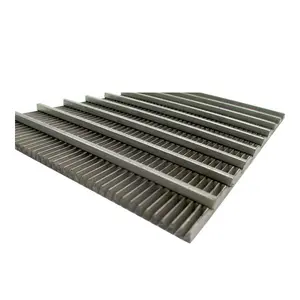
A wedge wire screen is a precision-engineered metal filtration component made from V-shaped profile wire welded to support rods, forming continuous slot openings. It is used to separate solids from liquids or slurries with controlled accuracy.
Engineers prefer wedge wire screens because they provide precise slot tolerances, high mechanical strength, reduced clogging, and long service life in demanding industrial environments.
What Is a Wedge Wire Screen?
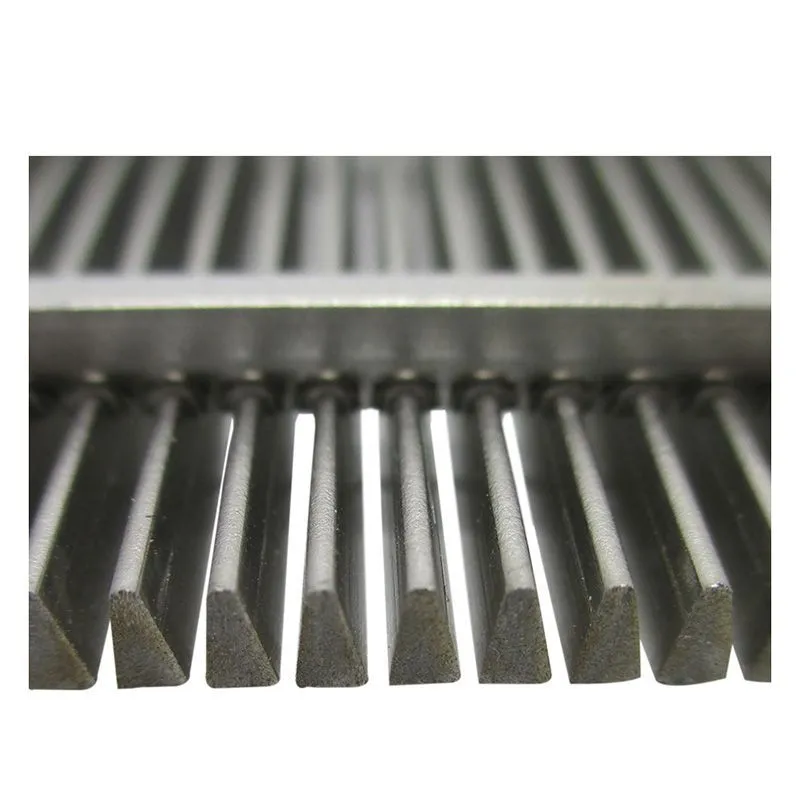
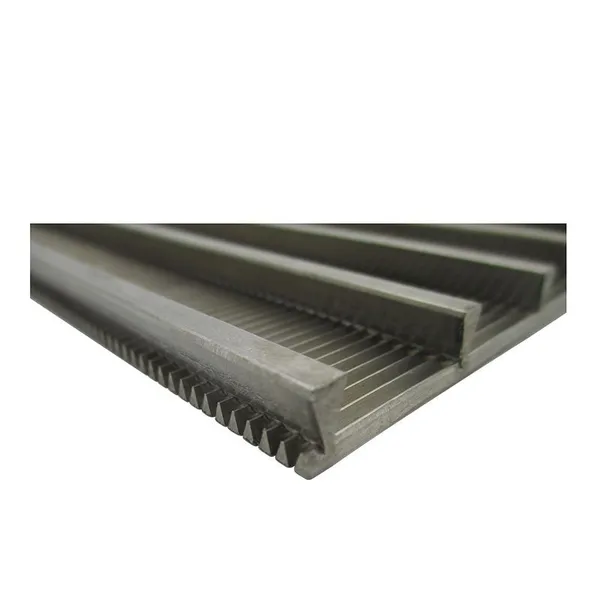
A wedge wire screen, also known as a V-wire screen, profile wire screen, or Johnson screen, is manufactured using resistance welding technology.
Technical Characteristics:
• Slot size range: 0.05 mm – 5 mm
• Open area: typically 20% – 60%
• Materials: 304, 316, 316L, duplex stainless steel
• Construction: welded surface wire + support rods
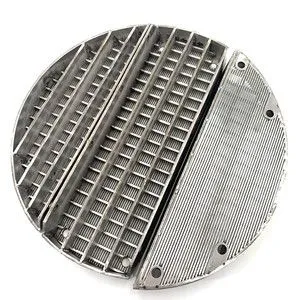
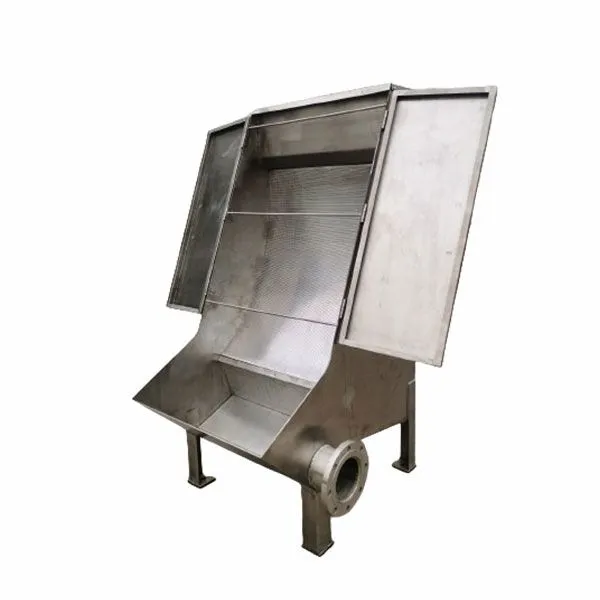
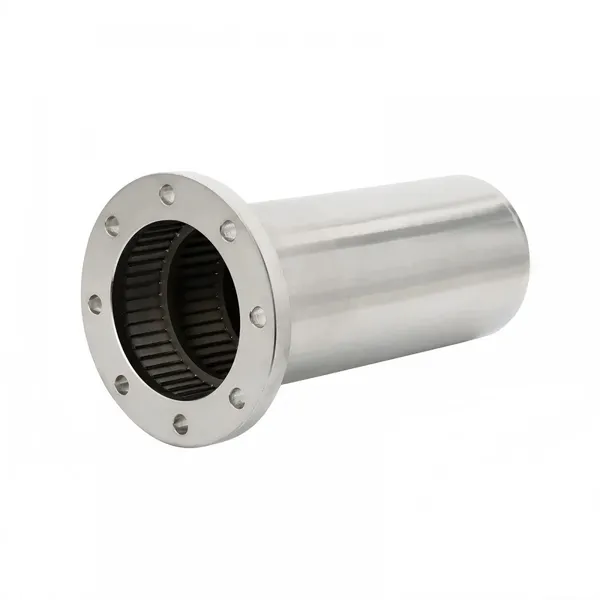
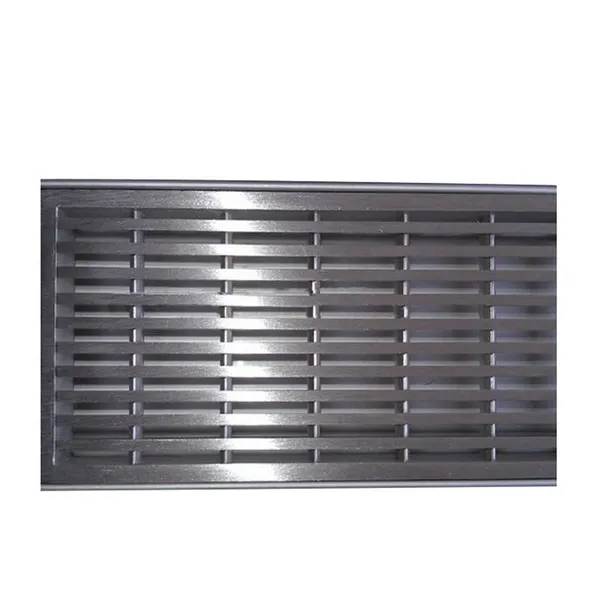
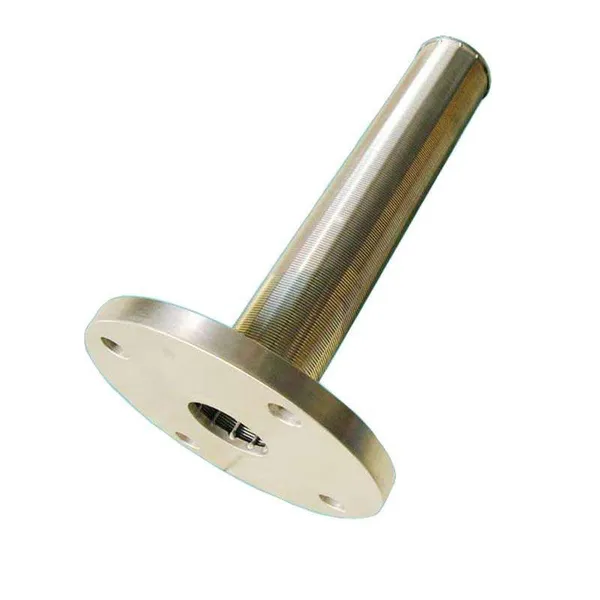
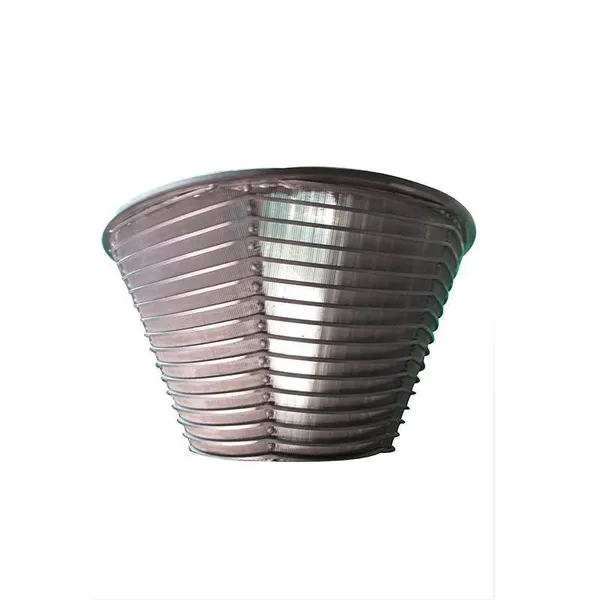
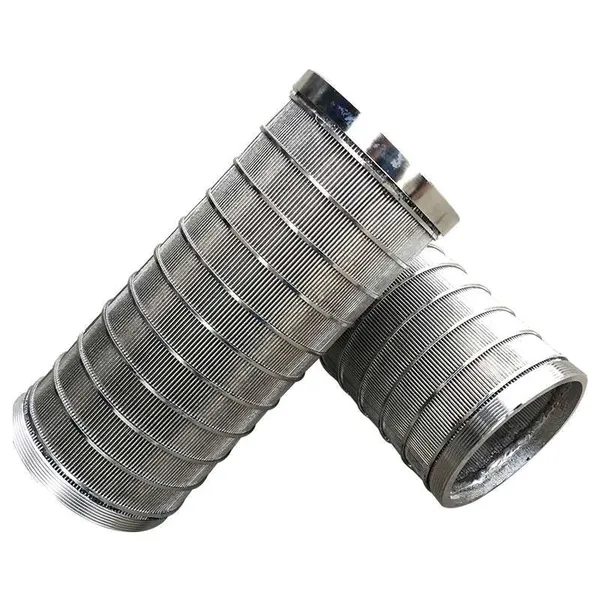
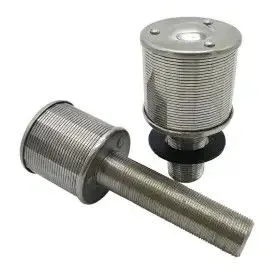
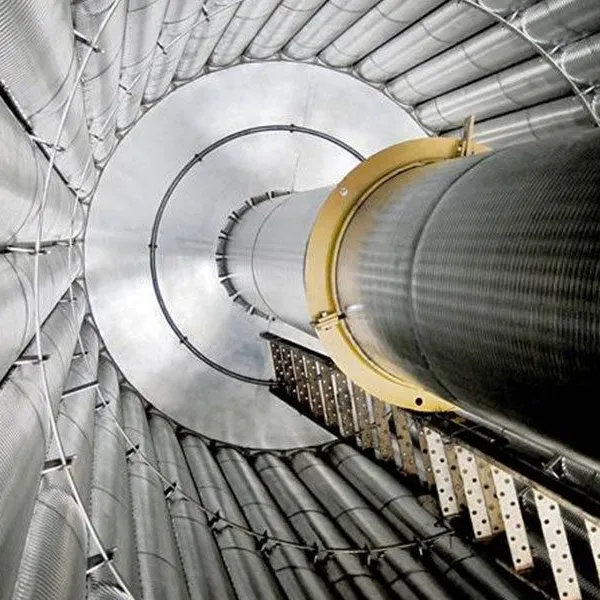
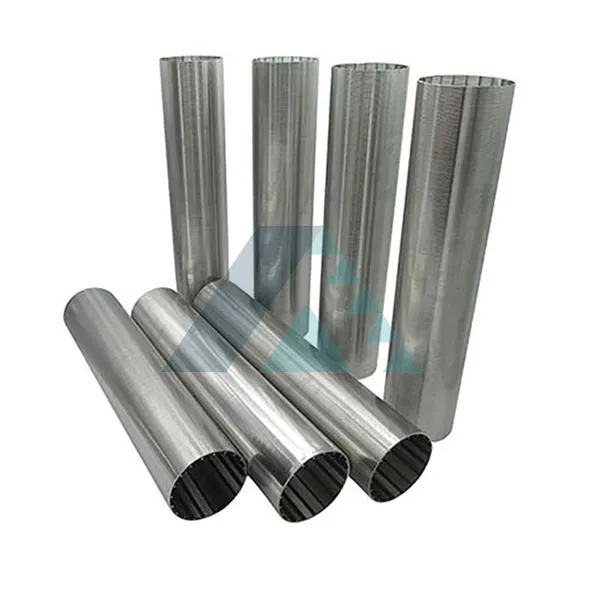
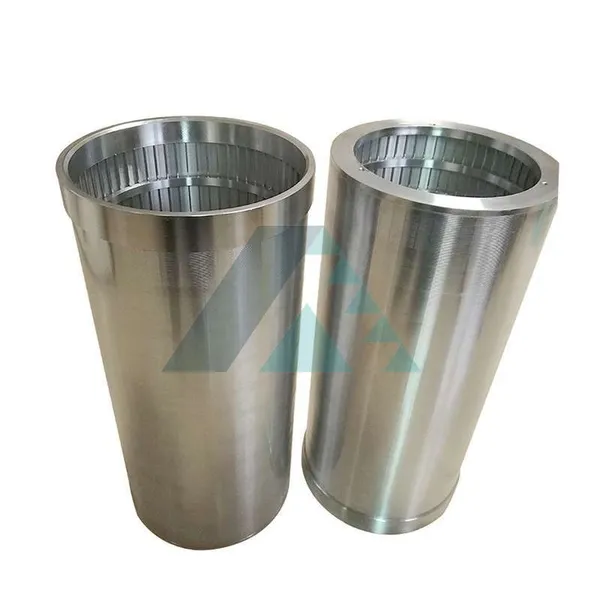
• Form options: panels, cylinders, baskets, sieve bends, drum screens
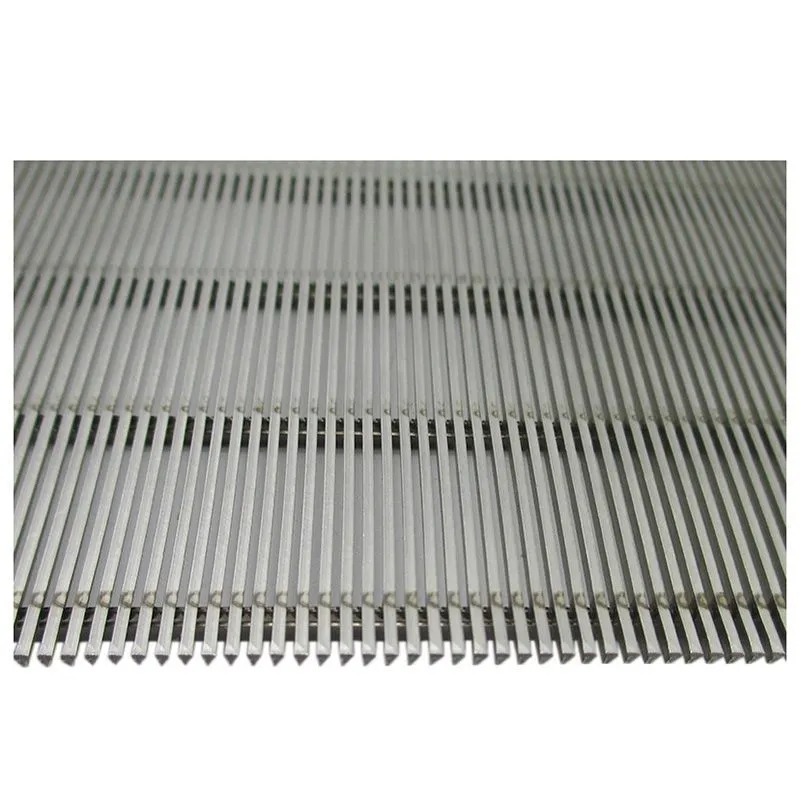
The V-shaped surface wire creates a slot that is narrow at the outer surface and widens inward, improving particle release.
How Does a Wedge Wire Screen Work?
The working principle is mechanical separation:
• Fluid flows toward the screen surface.
• Particles larger than the slot opening are retained.
• Smaller particles and liquid pass through the continuous slots.
Continuous slots provide uniform flow distribution and often lower pressure drop compared to drilled or punched plates.
Why Do Engineers Prefer Wedge Wire Screens?
• Precise Filtration Accuracy
Uniform slot openings ensure predictable separation performance.
• Reduced Clogging
The inward-widening slot reduces particle wedging and surface blinding.
• High Mechanical Strength
The welded construction withstands vibration, abrasion, and high-pressure differentials.
• High Flow Efficiency
Higher open area improves hydraulic performance and can reduce pump energy consumption.
• Corrosion Resistance
Stainless steel construction ensures durability in municipal, industrial, and marine environments.
Wedge Wire vs. Perforated Plate vs. Woven Mesh
Engineers often compare wedge wire screens with alternative screening media. The differences are structural and performance-based.
| Feature | Wedge Wire Screen | Perforated Plate | Woven Mesh |
|---|---|---|---|
| Slot Precision | High (manufactured tolerance control) | Moderate | Moderate |
| Open Area | 20%–60% | Typically 10%–40% | 30%–50% (varies) |
| Clogging Resistance | Strong (V-shaped slot) | Moderate | Lower (particle trapping) |
| Mechanical Strength | High | High | Lower |
| Pressure Resistance | Suitable for high differential pressure | Good | Limited |
| Cleanability | Easy to backwash | Moderate | Difficult |
| Service Life | Long | Moderate | Shorter in abrasive use |
For precision filtration and long-term industrial reliability, wedge wire screens often outperform perforated and mesh alternatives.
Click here to learn:
Wedge Wire vs Perforated Plate
Wedge Wire Screen vs. Wire Mesh Filter
Typical Applications
Wedge wire screens are widely used in:
• Water treatment intake and underdrain systems
• Mining and dewatering equipment
• Food and beverage filtration
• Oil & gas sand control
• Catalyst support grids
Their versatility allows custom fabrication based on slot size, flow rate, and structural load requirements.
Frequently Asked Questions
1. What is the main advantage of a wedge wire screen?
The main advantage is continuous precision slot openings combined with high structural strength, delivering accurate separation and durability.
2. Are wedge wire screens better than perforated plates?
In applications requiring clog resistance, slot precision, and longer service life, wedge wire screens typically perform better.
3. What slot size should be selected?
Slot size is determined by the particle size distribution of the material being filtered. The selected slot is usually slightly smaller than the smallest particle that must be retained.
4. Can wedge wire screens handle high-pressure systems?
Yes. The welded support rod structure enables them to withstand high-pressure differentials in industrial filtration systems.
A wedge wire screen is a precision-welded filtration solution designed for strength, durability, and consistent performance. Engineers prefer it because it combines controlled slot size, high open area, reduced clogging, and structural reliability.
When industrial filtration requires both precision and long-term performance, wedge wire technology is often the preferred engineering choice.
Founded in 1996, YUBO Filtration Equipment Co., Ltd. has been a pioneering force in industrial filtration for over two decades. We specialize in designing and manufacturing high-performance wedge wire screens and stainless steel wire mesh filters, delivering reliable solutions to a global clientele.
E-mail: sales@uboscreen.com
WeChat: +86 15732177595
Recently Posted
-
How to Choose the Right Cartridge Filter Housing: 3 Critical Steps Every Industrial Buyer Must Get R
August 14, 2026How to Choose the Right Cartridge Filter Housing: 3 Critical Steps Every Industrial Buyer Must Get RightThe global industrial filt Read More
 -
Stainless Steel Wedge Wire Screen Filter Nozzle – Reliable Filtration for Water Treatment Systems
April 1, 2026Stainless Steel Wedge Wire Screen Filter Nozzle – Reliable Filtration for Water Treatment SystemsAre you looking for a filtr Read More
 -
Sieve Bend or Hydro Sieve? How to Choose the Right Curved Screen
March 27, 2026Sieve Bend or Hydro Sieve? How to Choose the Right Curved ScreenA sieve bend screen is a curved wedge wire screening pa Read More
 -
How to Choose the Right Wedge Wire Screen for Your Industry
March 25, 2026Wedge wire screens are precision-engineered filtration components made from V-shaped stainless steel profile wires welded to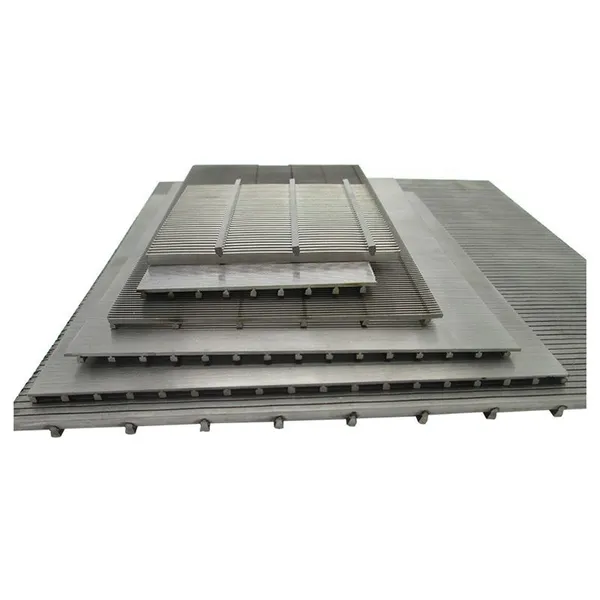 Read More

Contact Us
Recommended Products
-
 Stainless Center Pipe, Inner Screen CustomNegotiableMOQ: 2 Sets
 -
Stainless Steel Wire Mesh Temporary Conical StrainerNegotiableMOQ: 2 Sets
-
Stainless Steel Wedge Wire Rotary Drum Screen FactoryNegotiableMOQ: 1 Set
-
Wedge Wire Screen Flat Panel Plates Stainless Steel CustomNegotiableMOQ: 1 Set
-
SS Filter Nozzle for WatertreatmentNegotiableMOQ: 10 Sets
-
Water Treatment Filter Nozzle for Ion Exchange CustomNegotiableMOQ: 10 Sets
-
Wedge Wire Center Pipe ScallopsNegotiableMOQ: 1 Set
-
V Wire Screen Pipe for Water TreatmentNegotiableMOQ: 1 Set
-
Wedge Wire Trommel Screen Stainless Steel CustomNegotiableMOQ: 1 Set
-
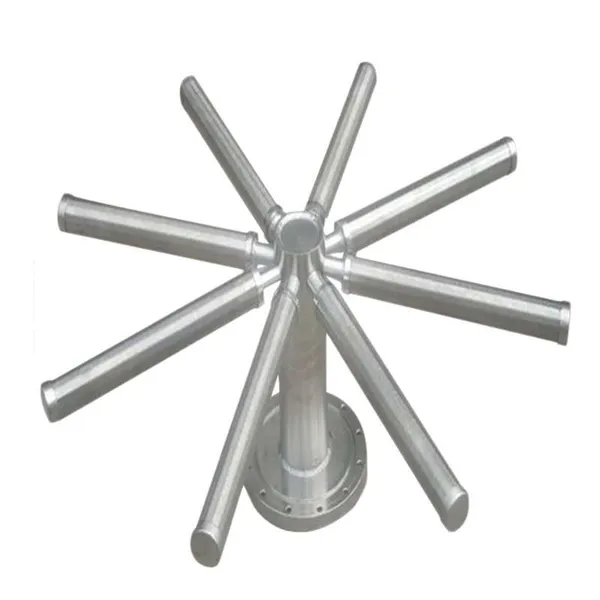
Header Lateral Distributor Screens Stainless Steel CustomNegotiableMOQ: 3 Sets
-
Johnson Wedge Wire Screen Catalyst Support Grid for Vessel InternalNegotiableMOQ: 1 Set
-
Polyurethane Screen Panels for Quarrying and MiningNegotiableMOQ: 1 Set
-
Hydro Sieve, Static Screen for Solid-Liquid Separation CustomNegotiableMOQ: 1 Set
-
Wedge Wire Resin Traps CustomNegotiableMOQ: 3 Sets
-
Stainless Steel Johnson Wedge Wire PanelNegotiableMOQ: 1 Set